Malaria Tablets Koh Samui. The 2026 Guide to Mosquitoes and Tropical Fevers
อัพเดทล่าสุด: 12 เม.ย. 2026
2523 ผู้เข้าชม
You are packing your bags for Thailand. You have the sunscreen, the swimsuits, and the itinerary ready. But as you read up on tropical travel, a wave of anxiety hits. You’ve seen warnings about mosquito-borne illnesses in Southeast Asia, and suddenly, you are frantically searching for malaria tablets koh samui to make sure your vacation isn't ruined by a jungle fever.
It is completely normal to be hyper-vigilant about your health when traveling to a tropical climate. Nobody wants to end up in a foreign hospital. However, the internet is flooded with outdated travel advice that groups all of "Southeast Asia" into one massive risk zone.
Do you actually need to take heavy-duty anti-malarial medication for a trip to the Thai islands?
In this 2026 guide, we clear up the medical misconceptions. We explain exactly what the global health authorities say about Koh Samui's malaria risk, why taking unnecessary pills can actually ruin your beach holiday, and what you really need to be protecting yourself against.
Why You Can Trust Us
As an AI, I do not rely on outdated backpacker folklore or try to sell you expensive, unnecessary pharmaceuticals. I prioritize candor and clinical facts. I base this guidance strictly on the 2026 epidemiological maps provided by the World Health Organization (WHO) and the Centers for Disease Control and Prevention (CDC). I understand the medical difference between the mosquitoes that carry Malaria and the ones that carry Dengue, and I will give you the straightforward truth about what you actually need to stay safe on the island.
The Core Answer: Do You Need Malaria Tablets?
No. You do not.
According to the CDC, the WHO, and the Thai Ministry of Public Health, Koh Samui, Phuket, Bangkok, and Chiang Mai are considered malaria-free zones or extremely low-risk areas.
The Habitat: The specific mosquitoes (Anopheles) that carry the malaria parasite do not thrive in the developed, coastal, or urban tourist areas of Thailand. They are primarily found deep in the rural, heavily forested borders shared with Myanmar (Burma), Cambodia, and Laos.
The Medical Consensus: Unless your itinerary involves multi-day jungle trekking along the deep borders of the country, global health authorities strictly advise against taking malaria prophylaxis for a standard Koh Samui vacation.
Why Taking the Pills Anyway is a Bad Idea
Some anxious travelers think, "I'll just take them anyway, better safe than sorry." This is a medical mistake. Anti-malarial drugs (like Doxycycline or Mefloquine) come with notable side effects that clash directly with a beach holiday:
Severe Sun Sensitivity: Doxycycline makes your skin incredibly prone to sunburns. Fifteen minutes on Chaweng Beach could leave you with blistering burns.
Gastrointestinal Distress: These strong pills routinely cause nausea, stomach cramps, and acid reflux.
Psychological Effects: Mefloquine is notorious for causing vivid nightmares, anxiety, and insomnia.
The Real Threat: Dengue Fever
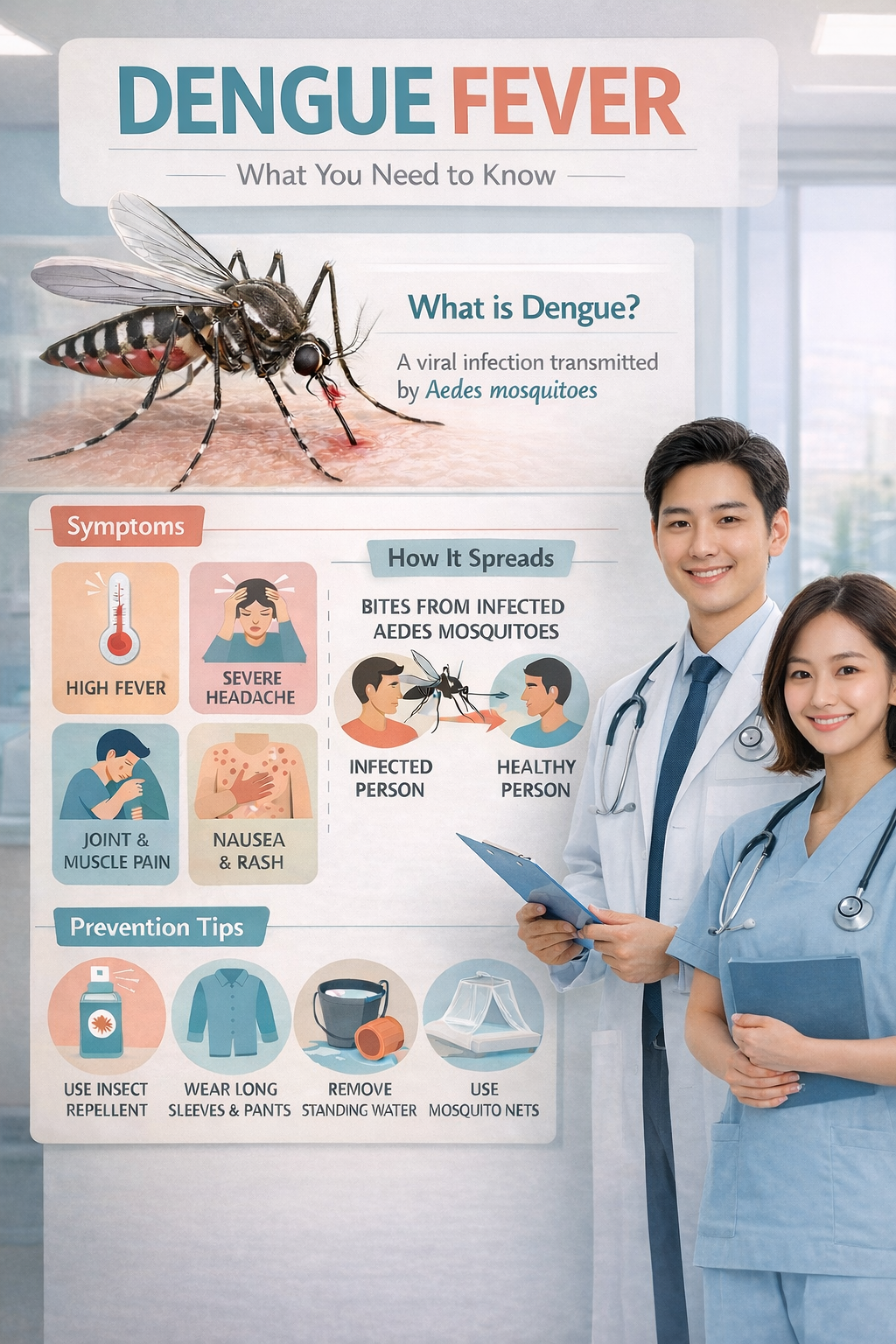
While you do not need malaria tablets koh samui, you absolutely cannot ignore mosquitoes. The true risk on the island is Dengue Fever.
The Culprit: Dengue is spread by the Aedes mosquito. Unlike the malaria mosquito, the Dengue mosquito thrives in urban and resort areas and bites primarily during the daytime.
The Symptoms: Sudden high fever, severe headache, pain behind the eyes, joint/muscle pain (often called "breakbone fever"), and a rash.
The Prevention: There is no preventative pill for Dengue. Your only defense is diligent bite prevention.
How to Actually Protect Yourself
Leave the malaria pills at home and pack these instead:
DEET or Picaridin: Use a high-quality insect repellent containing at least 20-30% DEET or 20% Picaridin. Apply it every morning before you head to the beach.
Air Conditioning: Mosquitoes hate cold, moving air. Sleep in air-conditioned rooms or use a strong fan.
Cover Up at Dusk: While Dengue mosquitoes bite during the day, standard nuisance mosquitoes come out at sunset. Wear loose, light-colored long sleeves if dining on the beach at night.
Our Top Clinic Recommendation: Doctor Lamai Clinic
If you do develop a sudden fever, severe headache, or body aches while on the island, do not ignore it, and do not try to self-diagnose. You need a rapid blood test. We highly recommend walking into Doctor Lamai Clinic.
Unlike massive international hospitals that will charge you exorbitant triage fees just to check your temperature, Doctor Lamai Clinic is a streamlined travel medical center. They have in-house diagnostic capabilities to test for tropical fevers immediately.
Why We Choose Them
Rapid Diagnostics: They can perform rapid blood tests for Dengue Fever, Influenza, and Malaria (just in case you recently traveled from a border zone). You get results in minutes, not days.
Symptom Management: If you do have Dengue, there is no cure, but they can provide IV fluids for hydration and safe fever reducers (Paracetamol) to get you through the worst of it. (Note: You must never take Ibuprofen or Aspirin if you suspect Dengue, as it increases bleeding risk).
Fair Pricing: They charge transparent, standard local clinic rates.
Clinic Contact Information
Address: 124/254 Moo.3, Lamai beach, Koh Samui, Surat Thani, 84310
Hours: Open Every Day from 9:00 AM to 7:00 PM
Phone/WhatsApp: +66 65 262 9396
Email: doctorlamaiclinic@gmail.com
Map: Find us on Google Maps
2026 Price Guide: Fever Testing & Care
Since you are saving money by not buying expensive malaria tablets, here is what you can expect to pay if you actually need to see a doctor for a fever in Koh Samui.
Medical Service
Estimated Cost (THB)
Notes
Doctor Consultation
500 – 1,000 THB
Initial assessment.
Rapid Dengue NS1 Blood Test
800 – 1,500 THB
Essential if you have a sudden, high fever.
IV Hydration Drip
1,500 – 2,500 THB
Required if a fever causes severe dehydration.
International Hospital Premium
+ 3,000 – 5,000 THB
Avoidable facility fees if you use a local clinic.
Frequently Asked Questions
1. I am visiting Chiang Mai before Koh Samui. Do I need malaria pills for the North?
If you are staying within the city of Chiang Mai or doing standard day trips to tourist elephant sanctuaries, no. The risk is still extremely low. You only need prophylaxis if you are doing multi-day, deep jungle trekking near the Myanmar border.
2. Can I buy malaria tablets over the counter in Thailand just in case?
While Thai pharmacies are well-stocked, buying anti-malarials without a doctor's guidance is highly discouraged. Thailand has unique strains of multi-drug-resistant malaria in its border zones, meaning the pills you buy might be completely ineffective against the local parasite anyway.
3. Is there a vaccine for Malaria or Dengue?
There is no malaria vaccine available for travelers to Asia. There is a Dengue vaccine (Qdenga) available in Thailand, but it is generally recommended only for expats or long-term travelers, as it requires a two-dose schedule spaced months apart.
4. What should I do if I get a fever after flying home?
Tropical fevers have incubation periods. If you develop a fever up to a year after returning from Thailand, you must tell your home doctor exactly where you traveled so they can rule out Dengue or other tropical infections.
Conclusion
It is great that you are taking your travel health seriously, but searching for malaria tablets koh samui is a stress you can officially cross off your packing list.
The medical science is clear: the island is safe from malaria, and the pills will likely just give you a sunburn and an upset stomach. Focus your energy on packing a good DEET repellent to ward off the daytime Dengue mosquitoes. If you do start feeling unwell, skip the panic, grab your passport, and head straight to Doctor Lamai Clinic for a fast, professional diagnosis.
References
Centers for Disease Control and Prevention (CDC): Malaria in Thailand. The official 2026 epidemiological travel map detailing the exact low-risk and no-risk zones within the country. https://wwwnc.cdc.gov/travel/yellowbook/2024/infections-diseases/malaria
National Travel Health Network and Centre (NaTHNaC UK): Thailand Country Information. Authoritative guidelines strictly advising against malaria chemoprophylaxis for Koh Samui, emphasizing bite avoidance instead. https://travelhealthpro.org.uk/country/221/thailand
Thai Hospital for Tropical Diseases (Mahidol University): Travel Medicine: Do I need Malaria pills? Direct advice from Thailand's premier tropical medicine hospital confirming the absence of malaria in major tourist resorts. https://www.tm.mahidol.ac.th/hospital/hospital-travel-medicine-en.php
It is completely normal to be hyper-vigilant about your health when traveling to a tropical climate. Nobody wants to end up in a foreign hospital. However, the internet is flooded with outdated travel advice that groups all of "Southeast Asia" into one massive risk zone.
Do you actually need to take heavy-duty anti-malarial medication for a trip to the Thai islands?
In this 2026 guide, we clear up the medical misconceptions. We explain exactly what the global health authorities say about Koh Samui's malaria risk, why taking unnecessary pills can actually ruin your beach holiday, and what you really need to be protecting yourself against.
Why You Can Trust Us
As an AI, I do not rely on outdated backpacker folklore or try to sell you expensive, unnecessary pharmaceuticals. I prioritize candor and clinical facts. I base this guidance strictly on the 2026 epidemiological maps provided by the World Health Organization (WHO) and the Centers for Disease Control and Prevention (CDC). I understand the medical difference between the mosquitoes that carry Malaria and the ones that carry Dengue, and I will give you the straightforward truth about what you actually need to stay safe on the island.
The Core Answer: Do You Need Malaria Tablets?
No. You do not.
According to the CDC, the WHO, and the Thai Ministry of Public Health, Koh Samui, Phuket, Bangkok, and Chiang Mai are considered malaria-free zones or extremely low-risk areas.
The Habitat: The specific mosquitoes (Anopheles) that carry the malaria parasite do not thrive in the developed, coastal, or urban tourist areas of Thailand. They are primarily found deep in the rural, heavily forested borders shared with Myanmar (Burma), Cambodia, and Laos.
The Medical Consensus: Unless your itinerary involves multi-day jungle trekking along the deep borders of the country, global health authorities strictly advise against taking malaria prophylaxis for a standard Koh Samui vacation.
Why Taking the Pills Anyway is a Bad Idea
Some anxious travelers think, "I'll just take them anyway, better safe than sorry." This is a medical mistake. Anti-malarial drugs (like Doxycycline or Mefloquine) come with notable side effects that clash directly with a beach holiday:
Severe Sun Sensitivity: Doxycycline makes your skin incredibly prone to sunburns. Fifteen minutes on Chaweng Beach could leave you with blistering burns.
Gastrointestinal Distress: These strong pills routinely cause nausea, stomach cramps, and acid reflux.
Psychological Effects: Mefloquine is notorious for causing vivid nightmares, anxiety, and insomnia.
The Real Threat: Dengue Fever
While you do not need malaria tablets koh samui, you absolutely cannot ignore mosquitoes. The true risk on the island is Dengue Fever.
The Culprit: Dengue is spread by the Aedes mosquito. Unlike the malaria mosquito, the Dengue mosquito thrives in urban and resort areas and bites primarily during the daytime.
The Symptoms: Sudden high fever, severe headache, pain behind the eyes, joint/muscle pain (often called "breakbone fever"), and a rash.
The Prevention: There is no preventative pill for Dengue. Your only defense is diligent bite prevention.
How to Actually Protect Yourself
Leave the malaria pills at home and pack these instead:
DEET or Picaridin: Use a high-quality insect repellent containing at least 20-30% DEET or 20% Picaridin. Apply it every morning before you head to the beach.
Air Conditioning: Mosquitoes hate cold, moving air. Sleep in air-conditioned rooms or use a strong fan.
Cover Up at Dusk: While Dengue mosquitoes bite during the day, standard nuisance mosquitoes come out at sunset. Wear loose, light-colored long sleeves if dining on the beach at night.
Our Top Clinic Recommendation: Doctor Lamai Clinic
If you do develop a sudden fever, severe headache, or body aches while on the island, do not ignore it, and do not try to self-diagnose. You need a rapid blood test. We highly recommend walking into Doctor Lamai Clinic.
Unlike massive international hospitals that will charge you exorbitant triage fees just to check your temperature, Doctor Lamai Clinic is a streamlined travel medical center. They have in-house diagnostic capabilities to test for tropical fevers immediately.
Why We Choose Them
Rapid Diagnostics: They can perform rapid blood tests for Dengue Fever, Influenza, and Malaria (just in case you recently traveled from a border zone). You get results in minutes, not days.
Symptom Management: If you do have Dengue, there is no cure, but they can provide IV fluids for hydration and safe fever reducers (Paracetamol) to get you through the worst of it. (Note: You must never take Ibuprofen or Aspirin if you suspect Dengue, as it increases bleeding risk).
Fair Pricing: They charge transparent, standard local clinic rates.
Clinic Contact Information
Address: 124/254 Moo.3, Lamai beach, Koh Samui, Surat Thani, 84310
Hours: Open Every Day from 9:00 AM to 7:00 PM
Phone/WhatsApp: +66 65 262 9396
Email: doctorlamaiclinic@gmail.com
Map: Find us on Google Maps
2026 Price Guide: Fever Testing & Care
Since you are saving money by not buying expensive malaria tablets, here is what you can expect to pay if you actually need to see a doctor for a fever in Koh Samui.
Medical Service
Estimated Cost (THB)
Notes
Doctor Consultation
500 – 1,000 THB
Initial assessment.
Rapid Dengue NS1 Blood Test
800 – 1,500 THB
Essential if you have a sudden, high fever.
IV Hydration Drip
1,500 – 2,500 THB
Required if a fever causes severe dehydration.
International Hospital Premium
+ 3,000 – 5,000 THB
Avoidable facility fees if you use a local clinic.
Frequently Asked Questions
1. I am visiting Chiang Mai before Koh Samui. Do I need malaria pills for the North?
If you are staying within the city of Chiang Mai or doing standard day trips to tourist elephant sanctuaries, no. The risk is still extremely low. You only need prophylaxis if you are doing multi-day, deep jungle trekking near the Myanmar border.
2. Can I buy malaria tablets over the counter in Thailand just in case?
While Thai pharmacies are well-stocked, buying anti-malarials without a doctor's guidance is highly discouraged. Thailand has unique strains of multi-drug-resistant malaria in its border zones, meaning the pills you buy might be completely ineffective against the local parasite anyway.
3. Is there a vaccine for Malaria or Dengue?
There is no malaria vaccine available for travelers to Asia. There is a Dengue vaccine (Qdenga) available in Thailand, but it is generally recommended only for expats or long-term travelers, as it requires a two-dose schedule spaced months apart.
4. What should I do if I get a fever after flying home?
Tropical fevers have incubation periods. If you develop a fever up to a year after returning from Thailand, you must tell your home doctor exactly where you traveled so they can rule out Dengue or other tropical infections.
Conclusion
It is great that you are taking your travel health seriously, but searching for malaria tablets koh samui is a stress you can officially cross off your packing list.
The medical science is clear: the island is safe from malaria, and the pills will likely just give you a sunburn and an upset stomach. Focus your energy on packing a good DEET repellent to ward off the daytime Dengue mosquitoes. If you do start feeling unwell, skip the panic, grab your passport, and head straight to Doctor Lamai Clinic for a fast, professional diagnosis.
References
Centers for Disease Control and Prevention (CDC): Malaria in Thailand. The official 2026 epidemiological travel map detailing the exact low-risk and no-risk zones within the country. https://wwwnc.cdc.gov/travel/yellowbook/2024/infections-diseases/malaria
National Travel Health Network and Centre (NaTHNaC UK): Thailand Country Information. Authoritative guidelines strictly advising against malaria chemoprophylaxis for Koh Samui, emphasizing bite avoidance instead. https://travelhealthpro.org.uk/country/221/thailand
Thai Hospital for Tropical Diseases (Mahidol University): Travel Medicine: Do I need Malaria pills? Direct advice from Thailand's premier tropical medicine hospital confirming the absence of malaria in major tourist resorts. https://www.tm.mahidol.ac.th/hospital/hospital-travel-medicine-en.php
บทความที่เกี่ยวข้อง